Ever feel like Monday hits you like a tornado? One of the best ways to gain control of your week is with a Weekly Reset Routine—a dedicated time to prep, plan, and organize. Whether you’re juggling work, family, or simply trying to keep your home from descending into chaos, a reset routine helps you start the week grounded and ready.
As a professional organizer, I’ve seen firsthand how this habit can transform not just homes, but lives. In my own home our family breezes through the week much easier when we have a set meal plan, a day to put all random items back to their storage place, a strong grip on our schedule and good sleep habits. Here’s how to build your own reset ritual—plus my favorite tools to make it simple and stress-free.
What is a Weekly Reset Routine?
A Weekly Reset Routine is a consistent day and time set aside (often Sunday or Monday morning) to:
Tidy your space: As the week gets busier having less clutter to get in your way will make everyone happier.
Review your schedule: Anticipating what is ahead for the week helps you plan your days, coordinate rides for kids and plan healthy meals on days you don’t have time to cook.
Prep meals: Sometimes just deciding what the meals will be for the week is enough to help focus on eating well. Everyone can help pitch in at the last minute on busy days when meals are either ready to reheat or the ingredients are ready with a recipe to cook.
Restock household items: Keeping on top of what is running low helps prevent the last minute run to grab milk for breakfast, the band aids when there is a cut or a prescription that can’t wait.
Organize paperwork: Keeping on top of your paperwork benefits you in so many ways. From not forgetting bills to ensuring school forms and field trip permissions are all in on time and not lost in a pile.
Reflect and reset your mindset: Just the act of starting the week with a plan and a tidy home gives you a minute to pause and relax before the chaos of normal family life begins again.
Think of it as a clean slate—your opportunity to realign your priorities and set your household up for a smoother week.
Step-by-Step Weekly Reset Routine with Tools That Help
1. Declutter and Tidy Your Space
Clutter adds stress. Take 15–30 minutes to walk through high-traffic areas and put things back in place. We make this a habit every night in our house before bedtime. It gives everyone a chance to pack for the the next day and put away what they no longer need. If you feel too tired, or have too busy of a schedule to do this every weeknight, at least get your dirty dishes out of the sink and into a dishwasher. That act alone will make the morning routine feel a little less overwhelming.
Tools That Help:
Baskets: Keep baskets in high traffic rooms to gather out of place items and easily carry them back to their correct location.

Cordless Handheld Vacuum: Quick cleanups are easier when your tools are lightweight and accessible.

All-Purpose Cleaning Caddy: Keep supplies portable so you’re not wasting time hunting down spray bottles.

2. Check and Update Your Calendar
Review appointments, school events, and work deadlines for the upcoming week. My husband and I share a Google Calendar for our family. We also have a caleandar for each of our kids so we can quickly see who needs to be where. It helps us anticipate what school events are coming up and when one of us is planning on going out with a friend. We also invite each other to appointments so we can be sure everyone is on the same page about schedules.
If you don’t feel that techie with your planning, there are lots of tools to help keep a central calendar for the family.
Tools That Help:
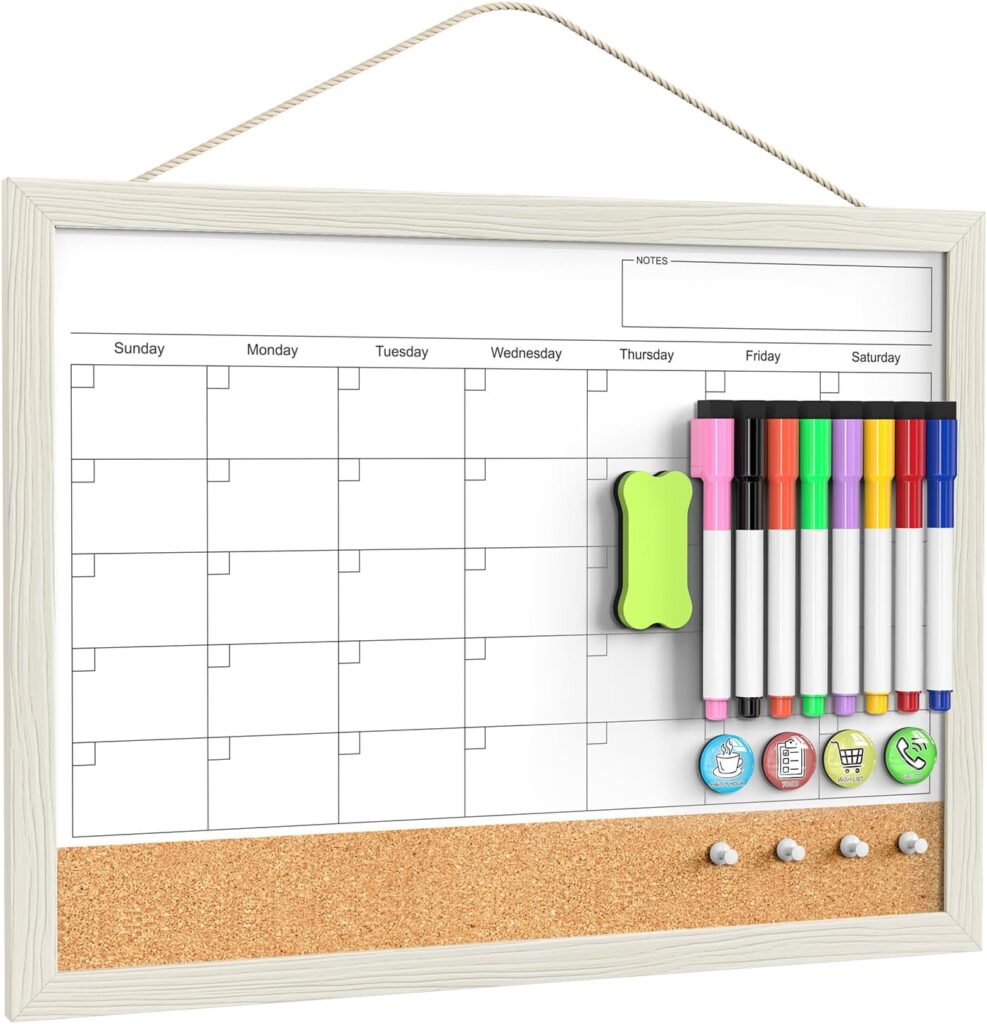
Dry-Erase Wall Calendar: Great for tracking family events at a glance.
Printable Planner from Life’s Lists: Organize to-dos, errands, and meals in one place.

Color-Coded Pens or Highlighters: Visual cues help you prioritize faster.

3. Meal Plan and Grocery Prep
Planning ahead not only saves time and money, but it also helps prevent those last-minute takeout panics. In our household, my husband and I have learned that the week runs much more smoothly when we have a clear meal plan. That’s why, every Sunday, we sit down together to map out our week. First, we figure out who will be home each night for family dinners, and then we plan meals accordingly. For example, if we know we’ll both be working late one evening, we’ll schedule a crockpot meal that can cook while we’re out. On nights when the kids have games, we opt for something quick and portable, like sandwiches or salads. Additionally, we always factor in leftovers to avoid overbuying groceries that would otherwise go to waste.
Planning ahead helps you keep healthy foods on the table. It also takes the stress out of the dreaded daily question “What are we having for dinner tonight?”
Tools That Help:
Meal Planning Notepad or Printable: My meal planning system is a great way to organize your recipes, grocery lists and make a plan for the week.

Pantry & Fridge Inventory Printables: Know what you already have before shopping. My printable organization system gives you labels for spices and pantry items, a staples checklist, inventory sheets for the Pantry, Fridge and Freezer, plus even more to get your supplies organized.

Reusable Storage Containers: Prep ingredients or full meals in advance for grab-and-go convenience.

For more meal planning tips check out our blog: https://www.livablesolutions.com/easy-summer-meal-prep-tools/
4. Restock and Inventory Essentials
ake time to check on commonly used items, like toilet paper, snacks, pet food, and toiletries. After all, nothing is worse than reaching for the last roll of toilet paper and realizing there’s no backup in the house. Or discovering you’re out of bread just as you’re packing school lunches.
To avoid these surprises, I always add low-stock items to my next shopping list right away. Sometimes, I’ll even order them from Amazon on the spot so I don’t forget.
Additionally, it’s helpful to stock up on essentials you know you use regularly. Things like paper towels, pasta, or other non-perishable goods are easy to store and convenient to have on hand. A little planning now saves a lot of stress later.
On the flipside, don’t over buy items you will not use frequently because then you will be forced to take up precious storage space. In addition, I also like to take an inventory of pantry items and tailor my meal plans around what is not getting used up. When they shelves are too full I know I am buying too many items that we don’t need.
Tools That Help:

Clear Storage Bins with Labels

Pantry Shelf Sorters & Organizers: Help you spot what’s running low quickly.

Check out our blog with more pantry organizing tools and tips: https://www.livablesolutions.com/9-essential-pantry-containers-that-will-instantly-transform-your-kitchen/
5. Organize Your Paperwork
Take a few minutes to open, sort, and file paperwork—before it piles up. One of the most popular organizing tips is to stand over your garbage can as you open your mail. And it works! So much of paper coming into our homes is solicitations, advertisements and plain junk. Do not waste your time reading what is not important. Quickly cull out the important items you must pay or follow-up on.
Having an efficient way to manage your paperwork starts with a good digital or basic filing system. Knowing where to file it and retrieve it when you need it is a great start. In addition, I like to have tickler file system ready for items I need to frequently reference, like school papers, bills and to do items I need the paper to follow-up on.
Tools That Help:
Filing System like our Life Binder or Instant Filing Kit or Tickler File System from Life’s Lists

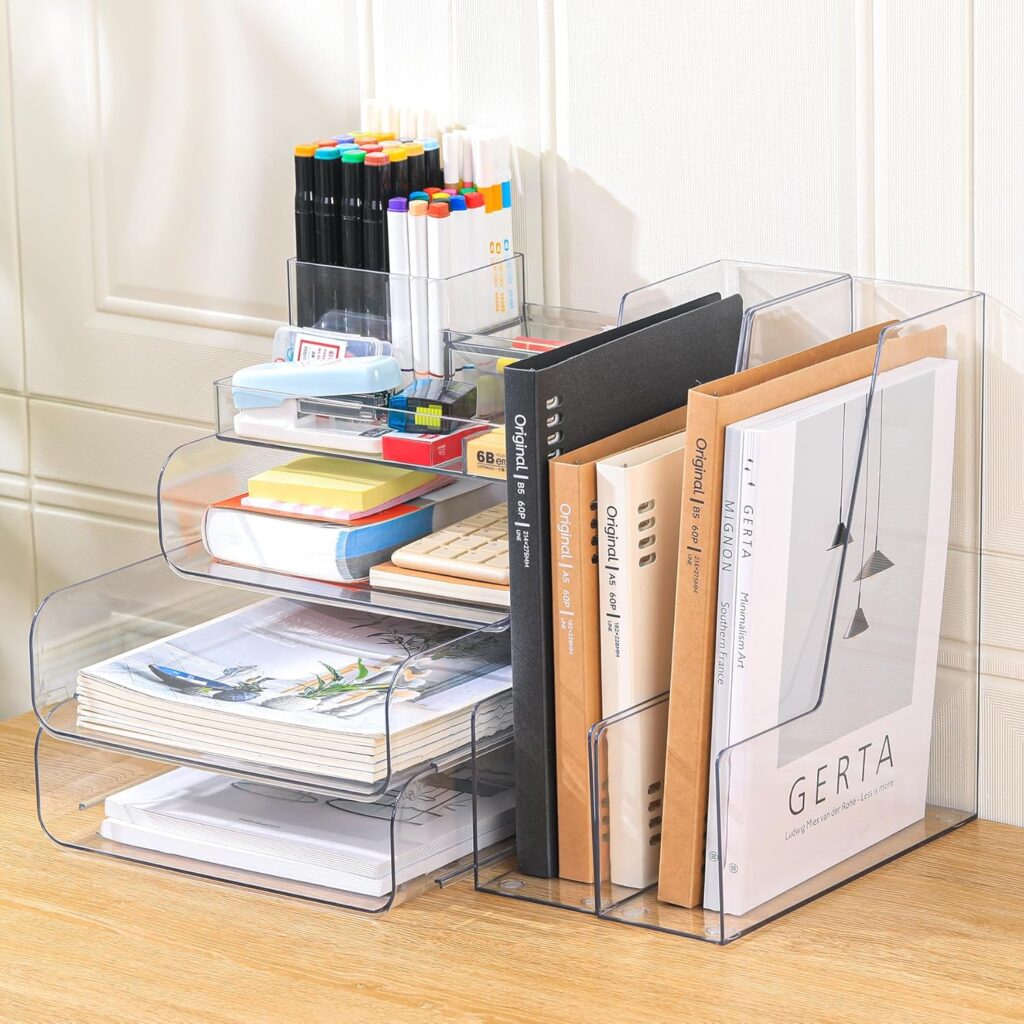
Desktop Paper Tray: Sort into “To Do,” “To File,” and “To Shred”
Dymo Label Maker: Make categories easy to spot and maintain

Get even more paper filing tips from our blog: https://www.livablesolutions.com/how-to-create-an-instant-home-filing-system/
6. Reset Your Mindset
Don’t forget your mental space! Reflect on wins, set intentions, and decompress. Creating space to focus on yourself in this busy world his no easy task.
Tools That Help:
Gratitude Journal or Weekly Reflection Page: The 5 Minute Journal is a great option for busy people who want to take a minute to reflect on the day.

Timer or App for Guided Meditation: I love the Calm App.
Self-Care Checklist Printable: Ensure you’re not skipping your own needs. Check out the Mind/Body section of my Life & Home Decluttering Workbook.

Tips to Make Your Weekly Reset Stick
- Pick a consistent time—same day and hour each week. We like to reset on Sunday nights in our house.
- Involve the family—assign age-appropriate reset tasks to kids or partners. Our kids know that Sunday will be the day they are expected to put all toys away in the playroom. The must address any clean laundry they have ignored in their baskets all week etc. When they expect it there is less of a fight.
- Make it enjoyable—play music, light a candle, or reward yourself afterward.
Final Thoughts
A Weekly Reset Routine isn’t about perfection—it’s about preparation. With just an hour each week and a few smart tools, you can step into your Monday feeling less overwhelmed and more in control.
Need help jump-starting your system? Explore our curated printables and organizing kits at Life’s Lists or get hands-on support creating a plan with a professional organizing consultation through Livable Solutions.
Happy Organizing,
Kristin
Disclosure:
This post contains affiliate links. I earn from qualifying purchases, at no extra cost to you! Thank you for supporting this blog and making content like this possible.